



Designing Menus Around Student Dining Behavior
May 2026
Mealtime is often a highlight of the school day. It’s a chance to catch up with friends, meet new ones and move more freely than students can in a classroom. Between the time they spend in the cafeteria line, finding a seat and settling in, they might not spend much time actually eating. But their growing bodies and active minds need all the fuel they can get. By aligning the menu with how students naturally spend their time, operators can make meals easier to enjoy and more likely to be finished.
A Social and Mental Break
After sitting in a classroom for hours, the cafeteria offers a welcome slice of freedom, where eating is only one part of a broader experience. Students typically eat for only 10 minutes on average. The rest of their time is “eaten up” by waiting in line, choosing a table and gabbing with friends. Given this time limitation, quick and familiar foods reduce hesitation and are more likely to be consumed.
Fit the Menu Into Student Routines
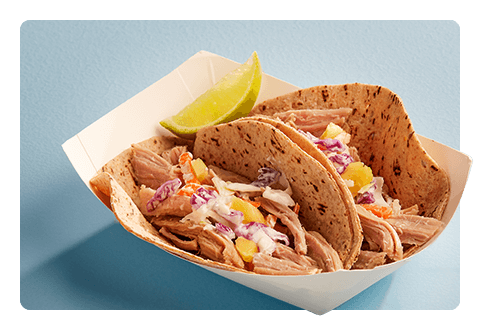
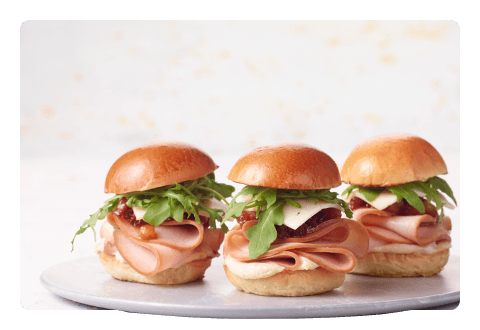
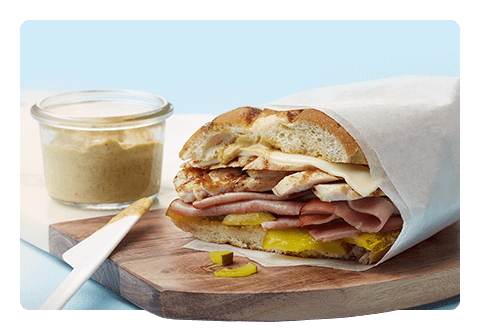
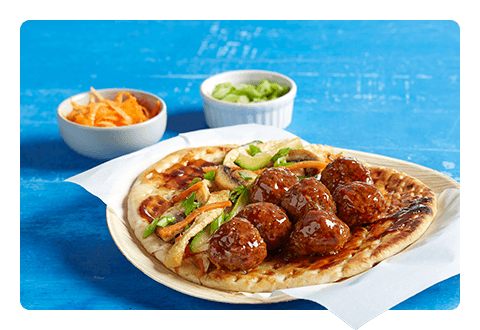
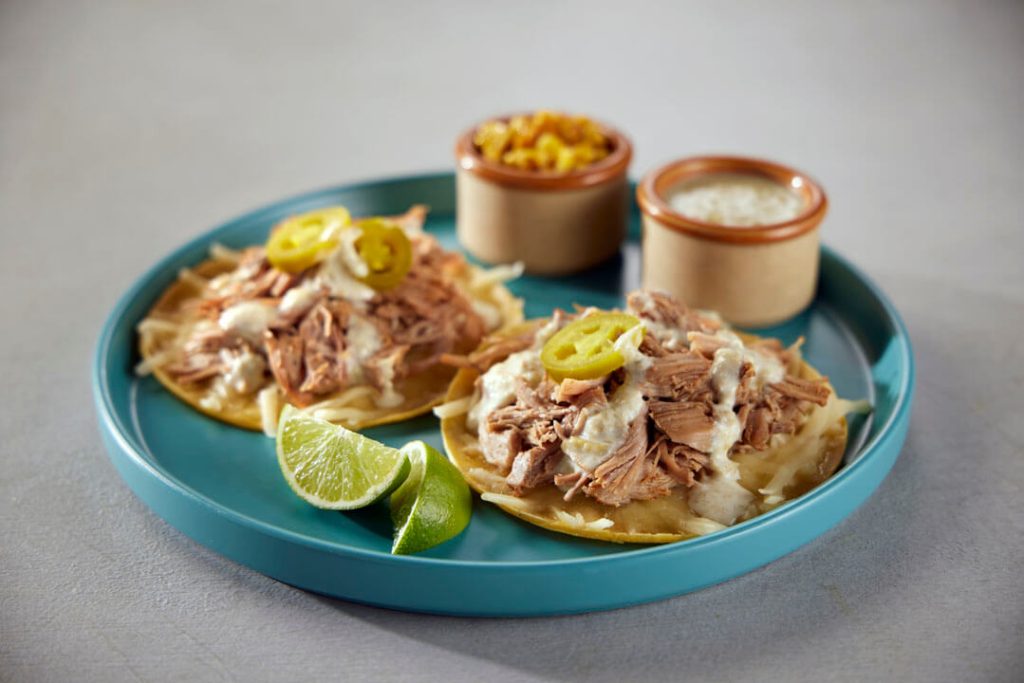
The more seamless the eating experience is, the more successful the menu will be. Table-hopping is common practice for extroverted students, so prioritize handheld, portable formats. Wraps, sandwiches and tacos are easy to eat while socializing. Excellent examples include Turkey Reuben, Salsa Suiza Vampiros and Chipotle Turkey Tacos. Simplified eating experiences with ready-to-eat formats like these are immediately appealing, meaning students won’t want to wait too long to take that first bite. For an even more engaging experience, operators can offer build-your-own or mix-and-match options within familiar formats, letting students personalize without slowing them down. A versatile protein like turkey makes prepping and portioning these items even easier and lets operators execute multiple builds with minimal fuss.
Making Every Bite Count
Since students have little time to eat, school meals need to balance enjoyable flavors and nutritional value efficiently. Nutrient-dense, high-protein options ensure students get the energy and focus-boosting elements their growing bodies require. Meals that combine protein, grains and produce in a single format reduce the need to prep multiple items or extend eating time. This BBQ Turkey Bento Box includes all the food groups, including tasty BBQ turkey medallions and cheese, crispy crackers, fruit and juicy cherry tomatoes. Portability and nutrition come together easily in this Apple & Cranberry Turkey Salad Wrap, featuring protein-packed turkey and a Greek yogurt dressing. When nutrition is this delicious, students will want to finish every bite.
Feeding students of any age is challenging, especially when competing with the many distractions of a busy cafeteria. Creating meals that are easy to eat, satisfying and align with students’ natural behavior helps operators ensure participation, reduce waste and deliver a better overall experience. How will you adjust your menu to work with the realities of the lunchroom? Share your thoughts on Facebook, Instagram or LinkedIn.
Sources:
“Short Lunch Periods Don’t Serve Students’ Needs” – 2015 – The Harvard Gazette
“How Nutrition Impacts Academic Performance” – 2024 – The Daily