






The Grocery Store: A New Competitor for Restaurants
May 2026
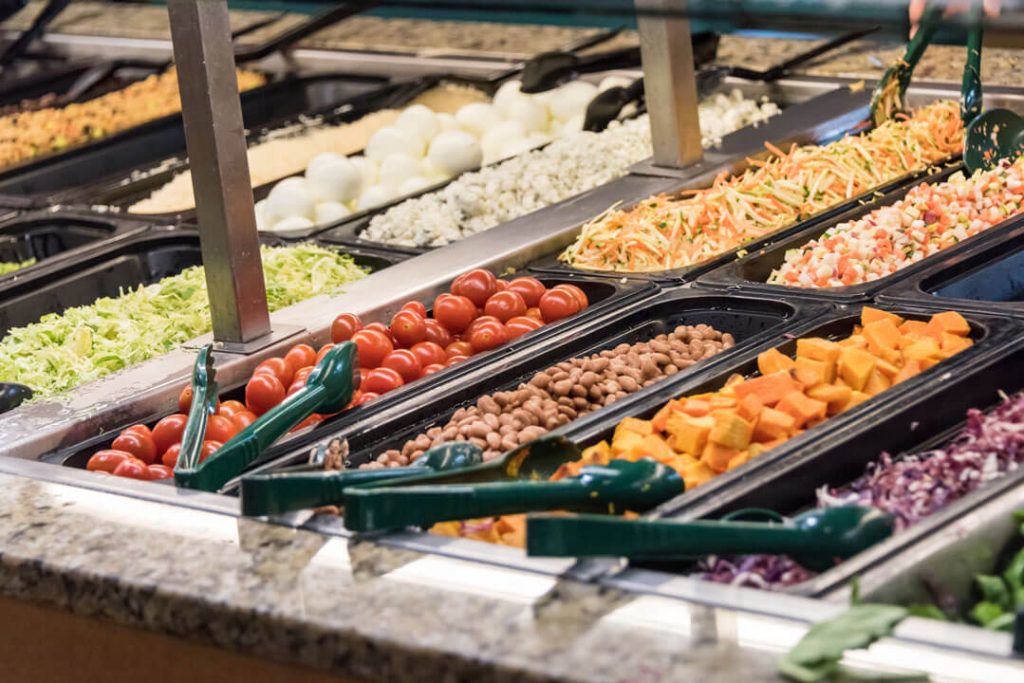
Restaurant operators may be seeing stiffer competition from an unlikely source: the grocery store. Ready-to-eat meals and high-quality meal kits at retail locations are a convenient, cost-effective alternative to dining out. But can they fully replace the restaurant experience? To maintain appeal, operators need to understand what diners like about shopping for their meals and how to offer an experience they can’t get anywhere else.
High Convenience, Low Effort
Grocery stores are investing more heavily in prepared foods and expanding their offerings of chef-inspired meals, hot bars and grab-and-go options. One-stop shopping convenience makes retail locations an easy default meal option for busy consumers. Meal kits offer the dual benefits of convenience and ease, with 22% of American adults saying they used one in 2025. These numbers reflect consumers’ increased comfort with assembling meals themselves. Cost saving is another major driver, since people can source ready-to-eat meals at low price points. A 2025 study from FMI, The Food Industry Association, revealed that 64% of households have bought prepared foods at the grocery store at least once. According to the same report, 28% of shoppers said they bought prepared food from grocery stores, rather than going to a restaurant, to save money. These options are increasingly popular, especially as retail is getting better at mimicking restaurant-quality offerings.
Making It Worth the Experience
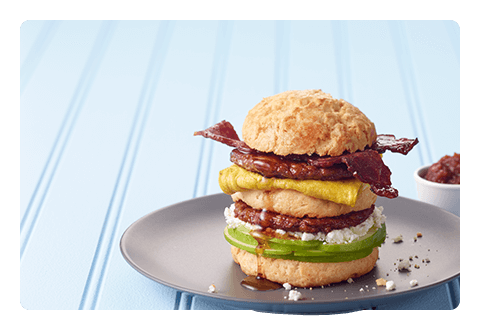
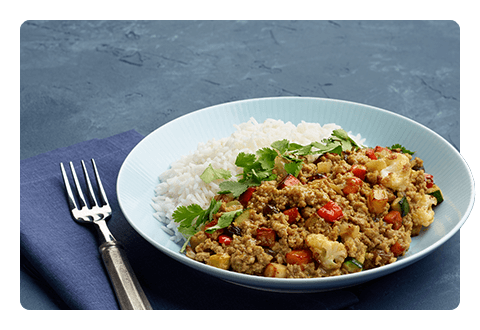
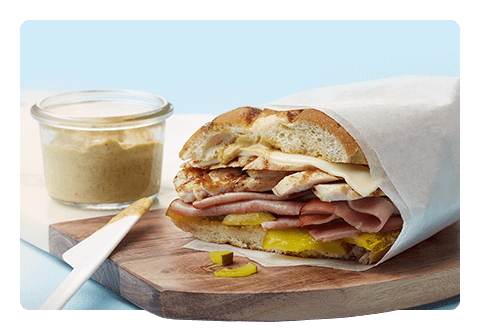
Grocery stores may offer the convenience factor, but restaurants still have them beat when it comes to delivering unique experiences. Ambiance, service and presentation help create value beyond what’s on the plate. Bold layered flavors and chef-driven techniques are more difficult to recreate at home. Operators can set their menus apart with unique sauces, seasoning blends and cooking methods. For example, this ABCT Sandwich is an exciting upgrade to the typical breakfast sandwich, featuring an herby apple slaw, tart cherry reduction, crispy turkey bacon and turkey sausage. The turkey entrée gets reimagined in this Seared Turkey Steak with a sweet balsamic glaze and braised radicchio. A dish with multi-layered flavors and a medley of ingredients like this Sliced Turkey Rice Bowl with Bulgogi Sauce is also sure to be a draw.
Bridging Familiarity and Innovation
Creating the kind of dishes consumers couldn’t or wouldn’t be likely to make at home is key. Striking a balance between the expected and the unexpected is a way to deliver unique experiences that attract diners. Operators can do this by:
- Starting with familiar, trusted ingredients. A protein like turkey is recognizable, widely appealing and can work across menu parts, cuisines and formats.
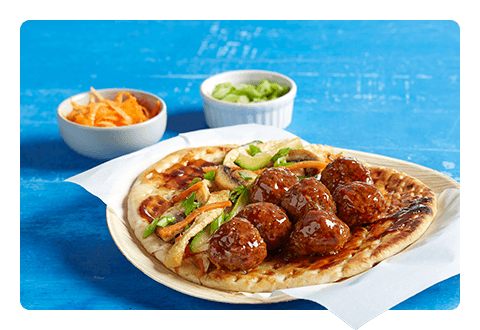
- Elevating through flavor and format. Global sauces, bold seasonings and unexpected pairings come together in dishes like Turkey Shawarma and Kona Turkey Bowl. Classics get chef-inspired upgrades in this Turkey Breast Piccata and Turkey Bolognese.
- Creating dishes requiring special skills, time or equipment. Consumers will have a harder time recreating slow-roasted, smoked or layered preparations.
- Developing brand-defining, signature items. Guests will visit and return for unique builds or flavor profiles.
Though the competitive landscape may be shifting as grocery stores expand into foodservice, restaurants can stand out by leaning into quality experiences diners won’t have at home. How will you set your operation apart in this crowded marketplace? Join the conversation on Facebook, Instagram or LinkedIn.
Sources:
“Grocers Continue to Gain Ground on Restaurants, FMI Survey Finds” – 2025 – Grocery Dive
“What’s for Dinner? More Are Turning to the Grocery Store’s Prepared Meals” – 2025 – USA Today