






Nutritious Ingredient Swaps for Healthier Senior Menus
April 2026

In senior living dishes, every ingredient matters. Operators are balancing evolving resident expectations with an increased focus on protein intake, heart health, sodium reduction and overall wellness. Fortunately, maintaining the nutritional quality of meals doesn’t have to mean sacrificing the flavor and comfort residents love.
Leaner Protein
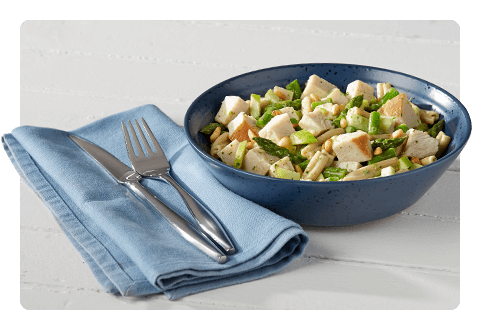
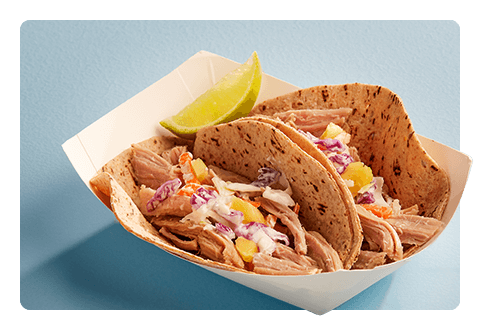
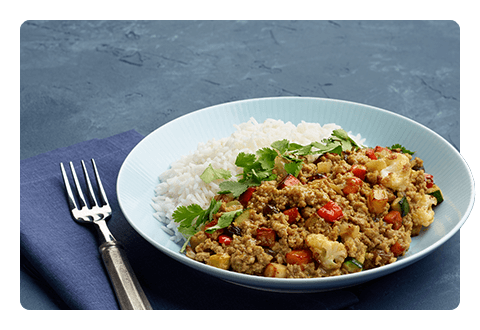
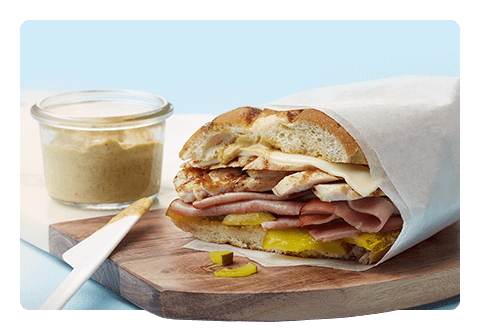
Turkey is a great alternative to higher-fat ground or processed meats in entrées like meatloaf, burgers, pasta sauces, chili and stuffed peppers. It boasts lower saturated fat content than red meat, and can even be used in place of pork. Harvard Health reports nearly 50% of adults over the age of 80 experience age-related muscle loss (sarcopenia). Using a high-quality protein like turkey supports muscle maintenance, helping to preserve strength and mobility in seniors. Dietitian Leslie Bonci, MPH, RDN, CSSD, recommends using turkey sausage in egg bakes or pizzas to control fat content. For operators, turkey offers a familiar taste that performs well in batch cooking and easily adapts to traditional recipes that residents already love.
Less Sodium
The FDA recommends lowering sodium intake levels for older adults, making this swap a key strategy for senior living menus. Replacing salt-forward seasonings with fresh herbs, citrus zest and aromatics helps decrease the risk of heart disease and stroke. Turkey’s lower sodium content compared to other proteins like pork, plus its ability to take on a range of flavor profiles, makes it a great alternative in recipes throughout the day. Making this switch is not only healthier for residents but also helps operators who can get more creative with layering seasonings.
Lighter Portions
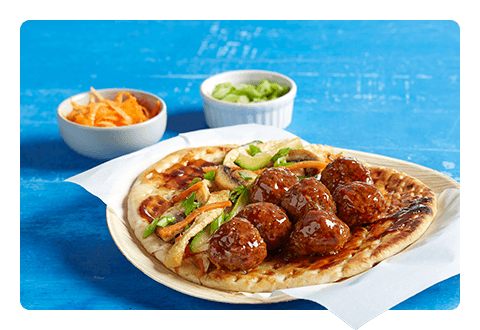
Protein-rich dishes tend to be more satisfying and can be served in smaller portions. As older adults’ metabolisms slow, their caloric intakes need to adjust. Smaller portion sizes are better suited for their needs, though nutritional quality should be the same as for a younger person. Bonci recommends “using smaller plates and thinking about the form: ground turkey in meatballs, meatloaf or turkey burgers can sometimes be easier to chew and pair well with vegetables.” In addition to benefitting residents, cutting down portion sizes means less food waste, controlling food costs and an opportunity to use ingredients across multiple dishes and dayparts.
Supporting healthy aging can be tricky. But with thoughtful ingredient swaps, operators can reduce fat and sodium, increase protein and boost overall nutrient density—all while preserving the comforting flavors residents expect. What kinds of swaps would you make on your menu? Share your thoughts on Facebook, Instagram or LinkedIn.
Sources:
“Protein and Aging: Practicalities and Practice” – 2025 – MDPI
“Muscle Loss and Protein Needs in Older Adults” – 2024 – Harvard Health Publishing
“About Sodium and Health” – 2025 – CDC
"FDA Sodium Guidance and Healthy Meals for Older Adults" – Nutrition and Aging Resource Center (FDA)
“Senior Nutrition: 5 Tips for Healthy Aging and Energy” – 2025 – Westmont Living
“Is Turkey Good for Weight loss? Here’s What the Science Shows” – 2025 – Noom